First, let's understand the structure of thermal paper. Thermal paper is typically composed of multiple layers. The base layer, which determines the paper's strength, sits at the bottom. Above it is the thermal insulation layer, which acts as a barrier against impurities and heat. Next comes the thermal coating—the crucial layer responsible for producing images and text when heated. The topmost layer is the protective coating, designed to enhance durability and provide resistance to oil, water, and scratches, though the effectiveness of this layer may vary.
The focus here is on the thermal coating layer:
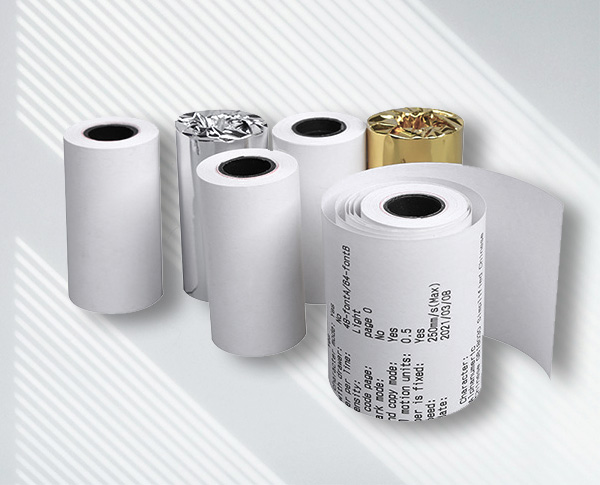
1. BPA Thermal Coating (Conventional):
Contains bisphenol A (BPA) and is commonly used in products like cash register receipts. It offers fast color development and high sensitivity. While it is the most affordable option, it is unsuitable for frequent skin contact or food-related applications.
2. Conventional BPA-Free Thermal Coating:
Typically uses alternatives like BPS or phenol-free substitutes. It is environmentally friendly and safe, though color development is slightly slower compared to conventional coatings. While priced higher, it offers safer contact and better compliance, making it suitable for humid environments, food service, and takeout applications.
3. Fully Bisphenol-Free Thermal Paper:
This is a newer type of thermal paper that relies on physical color development. Its higher cost is justified by the complete absence of bisphenol-based coatings, making it the most environmentally friendly option.
